A cure for sickle cell disease: Ra’chel’s stem cell transplant journey at Manning Family Children’s
- Category: Hematology, Cancer Care
- Posted on:

Ra'chel Gibson was two days old when her parents learned she'd been born with a disease that would shape the next eleven years of her life.
After delivering Ra’chel at West Jefferson Medical Center back in 2013, Jawanda Brown was settling into the fragile first days of motherhood when she learned her newborn daughter had sickle cell disease. Both Jawanda and Ra'chel's father, Robert Gibson, carried the sickle cell trait — a known risk on Robert's side of the family — but knowing the risk made the reality no less overwhelming.
“We were devastated,” Jawanda said. “We knew the pain she would go through. The hospital visits. The crises. Nobody wants that for their child.”
Robert had seen relatives live with sickle cell disease, but hearing the diagnosis for his own daughter was different. “It was hurtful,” he said. “She’s my baby girl. You don’t wish this on anyone.”
Learning, advocating, and finding the right team
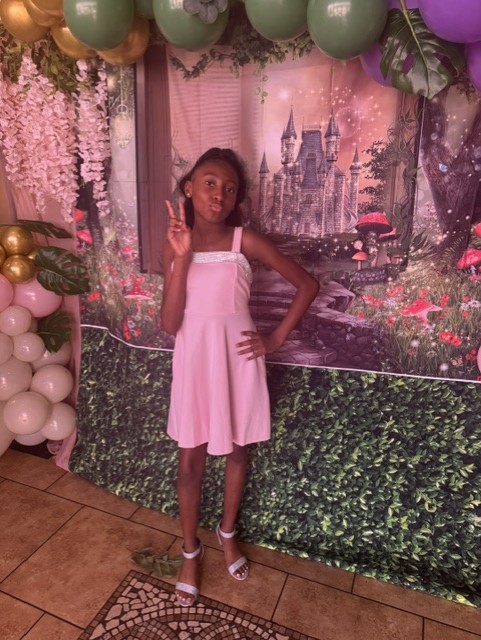
 From the very beginning, Jawanda and Robert learned everything they could. They immersed themselves in understanding sickle cell disease and how to care for a child living with it.
Early on, Ra’chel was followed closely by Dana LeBlanc, MD, director of the Comprehensive Sickle Cell Disease Treatment Program (CSCDTP) at Manning Family Children’s. Dr. LeBlanc and her team managed Ra’chel’s sickle cell care for years, guiding the family through pain crises, complications, and long-term treatment planning.
For Ra'chel, growing up with sickle cell disease was exhausting and painful. She endured frequent pain crises, pneumonia, repeated blood transfusions, and countless hospital stays. By age five, trips to the hospital two to three times a month had become routine.
"Having sickle cell was hard," Ra'chel said. "I felt tired a lot and had pain that made it hard to play like other kids. I had to go to the hospital often, which was frustrating. Sometimes I felt sad because I couldn't go outside if it was too hot or too cold."
Temperature swings were genuinely dangerous, often triggering sudden drops in her oxygen levels. And as Ra'chel grew older and wanted to be more active, the disease became even harder to manage.
"My baby girl wasn't herself," Robert said. "She didn't want to eat. She didn't want to do anything. And she was always full of life."
Ra'chel had three major surgeries before her transplant, including procedures for joint damage caused by the disease, and episodes of temporary blindness that terrified her parents. Medications helped for a while, but eventually they weren't enough. That's when the transplant team introduced the possibility of a stem cell transplant that could cure her sickle cell disease.
Understanding stem cell transplant
Hematopoietic stem cell transplantation (HSCT) is often the best—and sometimes only chances to cure certain blood disorders. The process replaces defective blood stem cells with healthy ones, allowing the body to produce normal blood cells moving forward. The stem cells can be collected from the blood or bone marrow from a patient’s own body (autologous) or from someone else (allogeneic).
Before receiving new stem cells, patients undergo chemotherapy and/or radiation to eliminate diseased cells. For patients with sickle cell disease, this step is critical to ensuring long-term success.
“When I learned a transplant was possible, I felt nervous,” Ra’chel said. “I didn’t want to keep getting sick or being in pain. The transplant team and my parents explained everything and helped me feel safe. They always talked to me kindly.”
Dr. LeBlanc worked with the pediatric hematology/oncology and stem cell transplant teams to explore whether a curative stem cell transplant might be an option.
Jawanda remembers how intentional the care felt from the start. “They explained everything,” she said. “Every question we had, they answered. And if they didn’t know, they found out.”
Ra’chel’s care was not managed by just one team, but by two highly specialized programs working side by side at Children’s—the CSCDTP team and the Stem Cell Transplant team. Providers met, discussed her case, and aligned on next steps, walking the family through each phase with written materials, emotional support, and reassurance along the way.
“They treated us like family,” Jawanda said. “By keeping us so informed, they made us feel like we were part of the team.”
Dr. LeBlanc notes that this partnership is intentional.
“Children with sickle cell disease require lifelong, comprehensive care,” she explained. “When transplant becomes a consideration, our sickle cell team works hand in hand with the transplant specialists to ensure families understand every option and feel supported throughout the process.”
That family-centered approach matters, because children rarely walk through a medical journey alone. At Manning Family Children’s, providers prioritize explaining complex conditions like sickle cell disease and stem cell transplant in ways that are clear, compassionate, and easy to understand.
The stem cell transplant journey can bring both highs and lows, and families must be fully prepared for each phase. But when teams witness a child’s transformation after transplant, they are reminded why the process is worth it.
 A brother’s match and a family’s decision
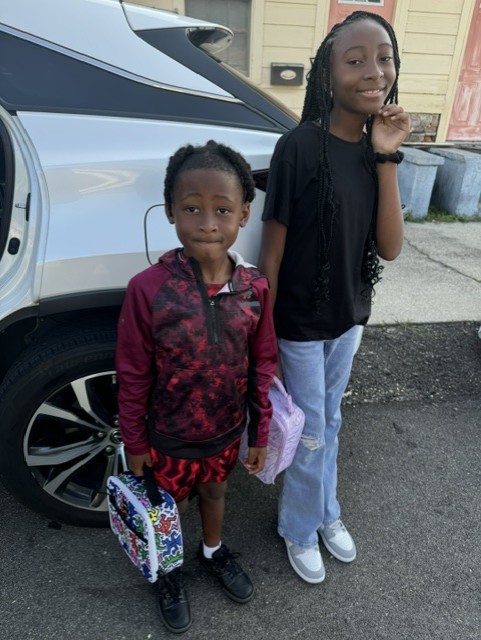
Ra’chel’s younger brother, Levi, was a perfect donor match. However, Levi was younger and quite small. Ra’chel had to wait until Levi grew before being able to have the transplant. In fact, her care team helped the family spend a full year preparing. They received extensive education and support from the transplant team. When the match was confirmed, the decision was made to move forward.
Ra’chel underwent her stem cell transplant in July 2025 at age 11. Levi, just 7 years old, proudly served as her donor.
“He bounced back quickly,” Jawanda said. “The next day, he was joking with Ra’chel that she now “had his blood.”
The transplant journey at Manning Family Children’s
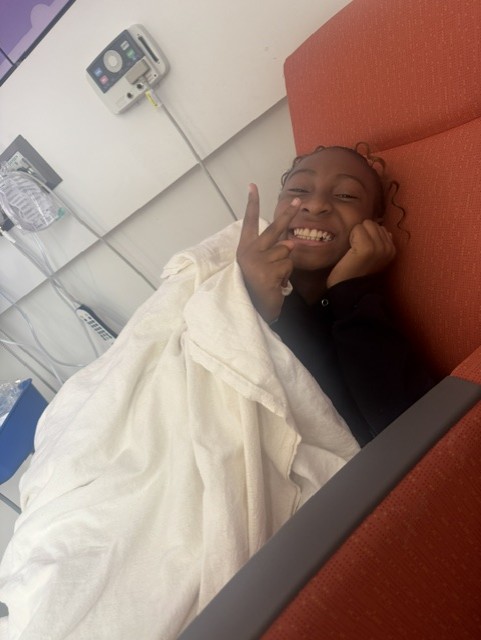 After the transplant, Ra'chel spent about six weeks in the hospital. She dealt with side effects like nausea and hair loss, but she was never alone. The nursing team, nurse practitioners, and physicians stayed closely involved, providing constant care and reassurance.
“Whatever she needed, they were ready to help,” Jawanda said. “You don’t get that from a lot of hospitals. The team was on top of Ra’chel’s care at all times.”
Jawanda also credits Nurse Practitioner Olivia Cornwell and the entire team for their compassion and availability. “I could call or email them anytime,” she said. “Whatever she needed, they were ready to help. They truly cared.”
The steady presence brought comfort during the hardest days. “If they were good, I was good,” Jawanda said. “I trusted them completely.”
For Ra'chel, the best part of her care team is simple: "They make me laugh." She also singled out nurses Alex and Olivia for always making her feel cared for.
A new life after stem cell transplant
 Now approaching day 180 post-transplant, Ra’chel’s progress has been remarkable. Her lab values are strong, and she is beginning to wean off medication.
Most importantly, she feels like a normal kid again.
“She can swim now,” Jawanda said. “She can do things she never could before. It’s a complete turnaround.”
Ra’chel is vibrant, upbeat, and full of plans. She hopes to return to school soon to start eighth grade and plans to try out for cheerleading again. She loves dancing and dreams of joining a dance team in high school.
“Life is very different now,” Ra’chel said. “I don’t get sick as much and I have more energy. I can enjoy things without worrying about pain all the time. I feel happier.”
Hope close to home in Louisiana
Manning Family Children’s Stem Cell Transplant Center is the only pediatric stem cell transplant program in Louisiana accredited by the Foundation for the Accreditation of Cellular Therapy (FACT), a designation reflecting rigorous national standards for safety and outcomes. Paired with the hospital's Comprehensive Sickle Cell Program, led by Dr. LeBlanc, it means families can access advanced, coordinated care without leaving the state. The close collaboration between the two teams ensures patients like Ra'chel receive continuous, expert guidance from diagnosis through cure.
For Jawanda, watching her daughter’s courageous triumph over sickle cell inspired her to pursue nursing school, with hopes of working with children one day. “She inspired me,” she said. “She handled everything better than we did.”
Ra’chel’s story is a powerful reminder of what expert care, compassion, and commitment can achieve—and of what becomes possible when families facing something overwhelming know they're not alone.
September is National Sickle Cell Awareness Month. Sickle cell disease affects an estimated 100,000 people in the United States, causing pain crises, serious complications, and a lifetime of careful management for the children and families living with it. This month, we recognize their strength and remain committed to advancing care for every child living with sickle cell disease. For more information about the hematopoietic stem cell transplant and sickle cell program at Manning Family Children’s, visit manningchildrens.org


